Home electrical systems are largely invisible — they run through your walls, beneath floors, and above ceilings, doing their job quietly until something goes wrong. Most homeowners do not think about their electrical system until a breaker trips, an outlet stops working, or they notice something that does not seem right.
That is completely understandable. You are not expected to be an electrician. But having a basic understanding of your home's electrical system — and knowing the warning signs that deserve attention — can make a real difference in preventing avoidable problems.
This guide covers the practical safety knowledge most relevant to homeowners, based on the kinds of issues we encounter regularly in residential work.
Know Where Your Electrical Panel Is
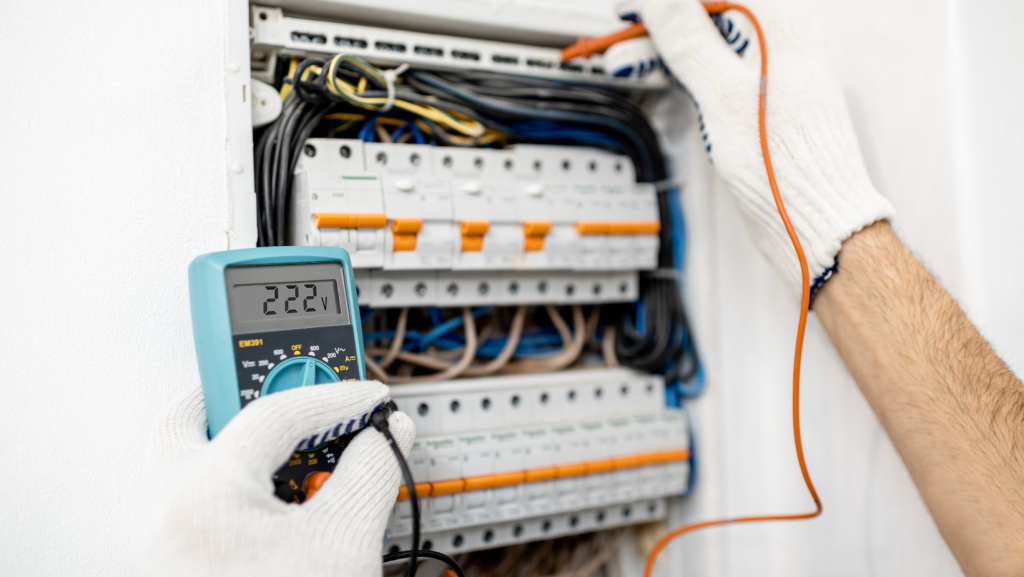
Your electrical panel (also called the breaker box or load center) is the central point of your home's electrical system. Every circuit in your house originates here. If you need to cut power to an area of your home — because of a sparking outlet, a burning smell, or any other concerning situation — knowing where your panel is and how to use it can save time and potentially prevent injury.
Take five minutes to locate your panel if you have not already. In most Seattle-area homes, it is in a utility room, basement, garage, or hallway closet. Open it, and you should see a row of labeled circuit breakers. If the labeling is incomplete or unclear, it is worth spending an afternoon testing each breaker to figure out what it controls. A circuit map posted inside the panel door is useful for everyone in the household.
What Circuit Breakers Actually Do
A circuit breaker is a protective device. When more current flows through a circuit than the wiring is rated to handle, the breaker trips — it cuts the power to prevent the wiring from overheating. This is a safety mechanism, not a flaw.
When a breaker trips, it moves to a middle position between on and off. To reset it, you push it firmly to off first, then back to on. If it trips again immediately, do not keep resetting it. There is a reason it is tripping, and that reason needs to be addressed.
A breaker that trips occasionally in a heavy-use area — like a kitchen or laundry room — is usually just responding to load. A breaker that trips repeatedly, trips without obvious cause, or trips in rooms without significant electrical demand is worth having looked at.
The Role of GFCI Outlets
GFCI stands for Ground Fault Circuit Interrupter. These are the outlets with the small "Test" and "Reset" buttons, typically found in bathrooms, kitchens, garages, and outdoor locations. They detect tiny imbalances in electrical current that could indicate a ground fault — a situation where electricity is flowing somewhere it should not, like through a person.
GFCI outlets can protect an entire circuit, not just the one outlet they are installed in. This means a GFCI outlet in your bathroom might be protecting the outlets in your garage, or vice versa, depending on how your wiring is configured.
If outlets stop working in a room and the circuit breaker appears fine, the first thing to check is whether there is a tripped GFCI outlet somewhere on the same circuit. Look in bathrooms, the kitchen, garage, and any outdoor outlets. Press the "Reset" button on any GFCI that has tripped.
Power Strips Are Not a Long-Term Solution
Power strips are convenient for managing multiple devices in one area, but they are designed as a temporary or supplementary solution — not a substitute for having enough outlets in a room. Plugging multiple high-draw devices (space heaters, desktop computers, kitchen appliances) into a single power strip creates a load that can exceed what the strip — and the circuit it is plugged into — is rated to handle.
If you find yourself regularly using extension cords and power strips to compensate for a lack of outlets, the more practical solution is having additional outlets installed. It is typically not a complex job, and it is significantly safer than daisy-chaining strips.
Extension cords deserve a similar note: they are for temporary use. Permanently routing an extension cord under a rug, through a wall opening, or stapling it to a baseboard is a fire hazard and is not an acceptable substitute for proper wiring.
Warning Signs That Deserve Attention
Electrical problems often give early warnings before they become serious. Recognizing these signs means you can address an issue while it is still a relatively minor repair rather than waiting until it becomes a larger problem.
- Warm or hot outlets and switches: Outlets and switches should not be warm to the touch under normal use. Warmth indicates either a loose connection or excessive current draw. Both are worth investigating.
- Discoloration or scorch marks: Yellowing, blackening, or melting around outlet covers or switch plates indicates overheating or arcing. Stop using the outlet or switch and have it checked.
- Persistent flickering lights: Occasional minor dimming when large appliances start is relatively normal. Lights that flicker regularly, or flicker in multiple rooms, usually point to a loose connection somewhere in the circuit.
- Burning smell with no obvious source: An electrical burning smell — often described as a plastic or rubber odor — that you cannot trace to a specific appliance is a concern. It may be coming from inside a wall, a junction box, or the panel. Take it seriously.
- Buzzing or crackling sounds: Buzzing from a switch, outlet, or panel is a sign of arcing or a loose connection. These sounds should not be ignored.
- Outlets or switches that feel loose: If a plug falls out of an outlet or an outlet wiggles in the wall, it suggests the receptacle contacts are worn or the box mounting is loose. Worn contacts create intermittent connections that can arc.
Water and Electricity
This is fundamental, but it is worth stating clearly: water and electricity do not mix. Water conducts electricity, and contact between the two can result in shock or electrocution.
Practical applications of this:
- Never use a corded appliance near a filled sink or bathtub, even if the appliance is not currently plugged in.
- If an outlet or electrical component has been exposed to water — from a flood, a pipe leak, or a dishwasher malfunction — do not use it until a qualified technician has inspected and verified it is safe.
- Outdoor electrical components should be rated for outdoor use. Extension cords rated for indoor use only should not be used in wet or outdoor environments.
- Make sure bathrooms and areas near sinks have GFCI protection. This is a code requirement in new construction but may be absent in older homes.
Electrical Safety With Children in the Home
If you have young children, tamper-resistant outlets are worth considering. These are outlets with built-in shutters that prevent small objects from being inserted into the slots. They are required in new residential construction and are a relatively simple retrofit in existing homes. Most electricians and home improvement stores carry them.
Extension cords are a particular concern in homes with young children. Cords at floor level are accessible, and children may mouth them or pull on them in ways that damage the insulation. Where possible, route cords away from areas where children play and avoid leaving extension cords plugged in when not in use.
When to Call a Professional
Some electrical tasks are appropriate DIY work — replacing a standard outlet or light switch is something a careful, reasonably handy person can do safely with the breaker off and the right guidance. But there is a significant category of work that should be handled by a qualified electrician:
- Any work inside the electrical panel
- Adding new circuits or extending existing circuits through walls
- Any work in wet areas (bathroom rough-in, outdoor wiring)
- Diagnosing intermittent problems where the cause is not clear
- Addressing burning smells, discoloration, or warm components
- Any situation where you are not completely certain what you are doing
The cost of a professional service visit is significantly less than the cost of damage from an electrical fire, or the risk of personal injury. If you are uncertain, having someone qualified take a look is the prudent choice.
Summing Up
You do not need to understand every detail of how your home's electrical system works to keep it safer. What matters most is knowing where the panel is and how to shut off power in an emergency, recognizing the warning signs that indicate a problem worth addressing, and not dismissing small issues as "just the way the house is."
Electrical systems are generally reliable when properly installed and maintained. When something is off, addressing it promptly tends to be significantly less disruptive and less expensive than waiting until the issue gets worse.
If you have noticed any of the warning signs mentioned in this article, or you have been putting off an electrical concern, feel free to get in touch. We are happy to answer questions or schedule a visit to take a look.