Residential Electrical Services

We handle the electrical repairs and inspections that Seattle homeowners and property managers need most. Here is a detailed look at what each service involves.

Electrical Diagnostics

Not every electrical issue announces itself with obvious symptoms. Sometimes things just do not work the way they should, and you are not sure why. A diagnostic service visit is designed to figure that out.

During a diagnostic, a technician evaluates the affected area — whether it is a single outlet, a circuit, or your entire panel. We use test equipment to measure voltage, check for continuity, identify loose connections, and look for signs of overheating or damage. We also listen to your description of what you have noticed, because that context often points us in the right direction.

Common symptoms that lead to a diagnostic visit:
  • A circuit that trips for no obvious reason
  • Outlets or switches that stopped working suddenly
  • Lights that dim, flicker, or behave inconsistently
  • A burning smell with no identifiable source
  • Buzzing sounds from walls, outlets, or the panel
What the process involves:

We start with a conversation about what you have experienced and when. Then we inspect the relevant circuits and components, run tests, and trace the issue back to its source. We explain what we find in plain terms, give you a written summary, and tell you what repair options are available.

Schedule Diagnostic
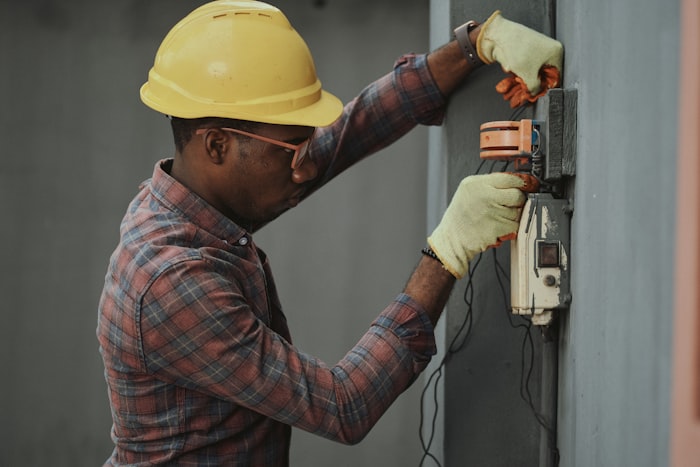
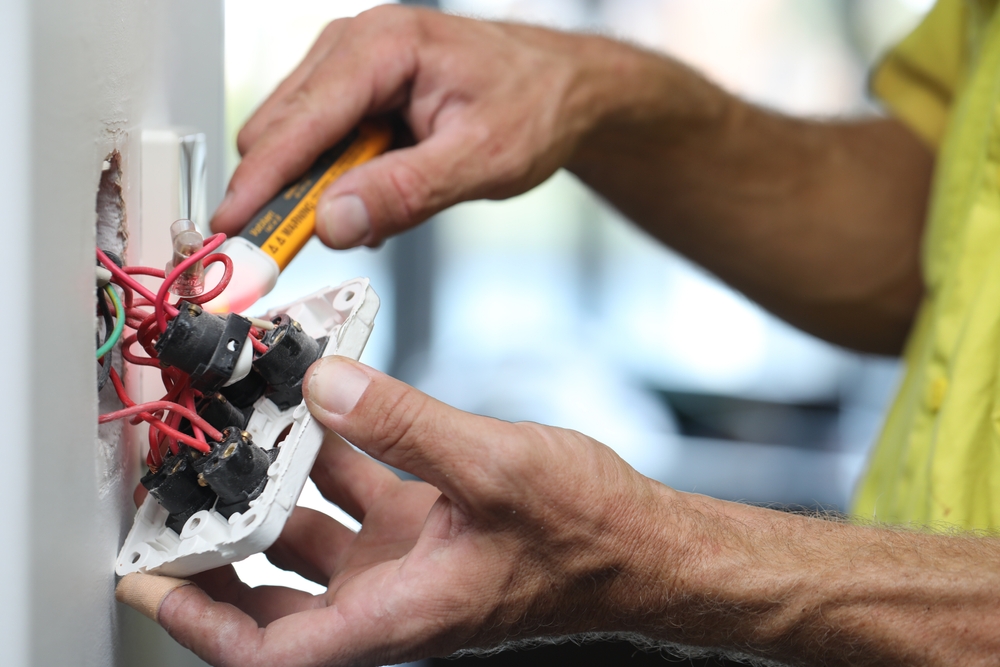
Electrician performing electrical diagnostic

Circuit Breaker Repair

A circuit breaker that trips occasionally is doing its job — it is protecting your wiring and appliances from overload. But a breaker that trips repeatedly, will not hold, or trips without an obvious cause is telling you something important.

We begin by identifying whether the breaker is actually at fault or whether the issue lies with the circuit it protects. A breaker that trips because the circuit is genuinely overloaded needs a different solution than one that is simply worn out or undersized for the current draw.

Situations that typically need attention:
  • A breaker that trips every time a specific appliance runs
  • A breaker that trips at random, without obvious load changes
  • A breaker that will not reset after tripping
  • A panel with double-tapped breakers (two wires on one terminal)
  • An older panel with breaker models known to have reliability issues
Safety note: Never tape a breaker in the on position or bypass it in any way. If a breaker will not stay on, there is a reason for it. Using that circuit while the breaker is bypassed creates a genuine fire risk.
Schedule Repair
Circuit breaker panel

Outlet & Switch Repair

Outlets and switches are the most common point of contact between you and your home's electrical system — and they are also among the most common sources of problems. A loose connection at a single outlet can affect multiple other outlets on the same circuit. A failing switch can cause persistent flickering or leave a light completely inoperable.

Common outlet and switch issues we handle:
  • Outlets that have no power despite the breaker being on
  • Outlets that feel warm or make a crackling sound when used
  • Outlets with scorch marks or discoloration
  • Outlets that are loose in the wall and do not hold plugs firmly
  • GFCI outlets that trip constantly or will not reset
  • Dimmer switches that buzz, flicker, or feel hot
  • Switches that have stopped controlling their intended fixture
Safety considerations:

An outlet that feels warm, sparks, or shows signs of arcing (discoloration, burning smell) should not be used until it has been inspected. These are signs that the connection inside is failing, and continued use can cause the wiring insulation to degrade further.

Schedule Repair
Electrical outlet installation

Lighting Installation

Whether you are installing a new ceiling fan, replacing a fixture, adding recessed lights, or addressing an outdoor light that stopped working, proper wiring and grounding are essential. Lighting work that looks simple can involve navigating junction boxes, three-way switch wiring, or circuits that are already near capacity.

What we install and repair:
  • Ceiling light fixtures and ceiling fans
  • Recessed (can) lighting — new installations or replacements
  • Under-cabinet and task lighting
  • Outdoor fixtures, porch lights, and pathway lighting
  • Dimmer switches and smart switch retrofits
  • Garage and utility lighting
Common issues with existing lighting:
  • Flickering that persists after bulb replacement
  • Fixtures that work intermittently
  • Outdoor lights tripping a GFCI or breaker
  • Dimmer switches that buzz or are incompatible with LED bulbs
Schedule Installation
Lighting installation

Electrical Panel Inspection

Your electrical panel distributes power to every circuit in your home. When it is working correctly, you may never think about it. But panels can develop issues over time — connections loosen, breakers wear out, and in some cases, older panel designs have known reliability concerns that warrant evaluation.

A panel inspection is also a sensible step before buying or selling a home, after inheriting an older property, or when you have had persistent circuit issues that cannot be traced to a single problem.

What a panel inspection covers:
  • Condition of breakers — are they responding properly, are any failing?
  • Signs of overheating, corrosion, or water damage inside the panel
  • Proper wire sizing relative to the breaker rating
  • Double-tapped breakers or other wiring errors
  • Whether the panel's capacity is appropriate for the home's current load
  • Code compliance issues to be aware of
Note: An inspection is not the same as an upgrade. We will tell you honestly whether your panel needs any immediate attention or if it is in serviceable condition.
Schedule Inspection
Electrical panel inspection

Wiring Troubleshooting

Wiring issues are among the harder problems to diagnose because the wiring itself is inside your walls and not visible. Intermittent problems — things that work sometimes and not others — are often related to wiring connections that are loose, corroded, or compromised.

Older homes may have wiring that was correct when installed but no longer meets current safety standards. This does not always mean it needs immediate replacement, but it does mean it is worth understanding what you have.

Signs that may point to a wiring issue:
  • Outlets or switches that work intermittently for no clear reason
  • A persistent burning smell that is hard to locate
  • Lights or outlets that stopped working after a renovation or repair
  • Discolored or melted outlet or switch covers
  • A home with aluminum wiring (common in homes built 1965–1973)
  • Knob-and-tube wiring in attics or basements
Our approach:

We use non-destructive testing methods where possible before opening any walls. Many wiring issues can be traced and repaired without significant disruption. When we do need to open a wall, we work carefully and discuss the plan with you before proceeding.

Schedule Assessment
Electrical wiring inspection

Not sure which service you need?

That is a common situation. Just describe what you are experiencing and we will point you in the right direction. There is no obligation to book a service when you reach out.

Contact Us